 WhatsApp
 Email
Email
 Facebook
 Twitter
 LinkedIn

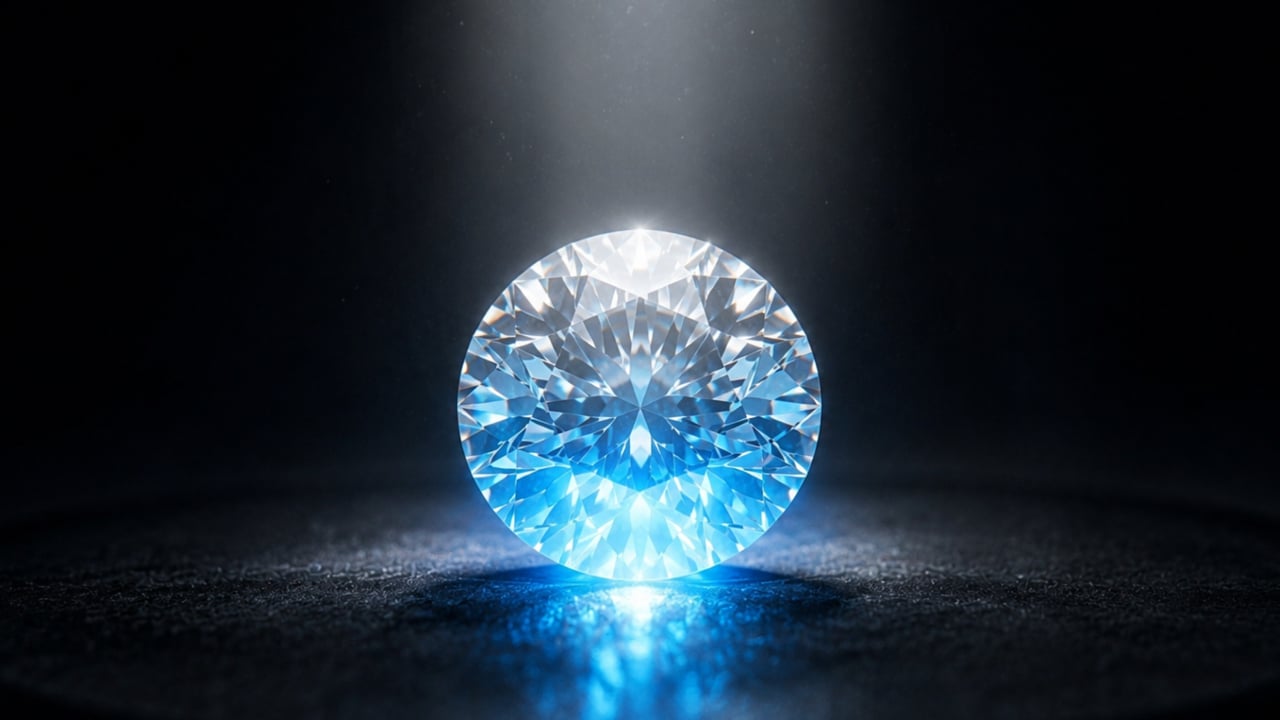
Twenty-eight years ago, Martin Rapaport wrote an article in the Rapaport Diamond Report (now Rapaport Magazine) explaining the chain of events that gave fluorescent diamonds their stigma. In it, he highlighted the opportunity to promote the stones’ “blue-white sparkle” to consumers. He also called on gemological laboratories to say more on their grading reports so buyers could tell when fluorescence had impacted a stone’s appearance and when it hadn’t.
Later this year, the Gemological Institute of America (GIA) is finally adding language to its grading reports to help stem the confusion the trade and consumers have around fluorescent diamonds, as Rapaport News reported last month. The change, due to arrive in the fourth quarter, marks one of the biggest steps a lab has taken to clarify this issue.
This edition of the Rapaport Intelligence Report examines what this means for the market. Fluorescence has a complex history in the diamond industry. Buyers once paid premiums for diamonds with this trait. The trend shifted in the 1970s diamond boom and again in the early 1990s following a Korean grading scandal. Gemological research partly rehabilitated the stones’ reputation, but the confoundment and negative association remain, as do the price discounts.
This report retraces that history and analyzes Rapaport’s estimated discounts for fluorescent diamonds, which it has been publishing since 1993. We look at how those price penalties have behaved over the past six years of growth and downturn. We also dissect two separate but related matters: the impact of fluorescence on a diamond’s appearance and whether it affects the actual color grade. It asks whether the new comments in GIA diamond reports might — or might not — change buyer behavior.
This touches on a long-standing question that has never been fully settled: whether the feature genuinely affects how a diamond looks, or whether decades of habit and caution have outlived the reasons behind them.
As always, this report also includes exclusive Rapaport data on 0.30-, 0.50-, 1- and 3-carat diamonds, covering pricing, discounts, inventory by country, search volume and turnover time. In this month’s Rapaport Diamond Price Analysis, we ask whether the signs that foreshadowed price growth in 0.30-carat diamonds earlier this year are present now in the important 1-carat segment.
Between 25% and 35% of diamonds exhibit some degree of fluorescence, according to the GIA. More transparency about this sizable but perplexing sector of the market could have a big impact on consumer and trade confidence.
Subscribers will receive the full edition of the Rapaport Intelligence Report by email.
Not yet subscribed? Click here to sign up for the latest edition, featuring Rapaport data as well as detailed analysis of diamond-price movement and supply and demand trends.
Image: David Polak.