 WhatsApp
 Email
Email
 Facebook
 Twitter
 LinkedIn

With the year coming to an end, Rapaport News turned to ChatGPT for a look at what the diamond industry may face in 2026. The article has not been substantially edited; it reflects the artificial intelligence (AI) platform’s predictions of the major developments expected in the coming year. Here’s what it generated:
Lab-grown:
- Lab-grown retail prices keep falling, and “under $1,000 center stone” becomes normal
Expect continued price compression (especially for popular 1- to 3-carat rounds) as production scales and retailers compete harder on “size for money.” Recent retail reporting already shows extreme lab-versus-natural gaps that are pushing bigger stones mainstream.
- Lab-grown becomes the default in value segments; naturals concentrate in “heritage/luxury” lanes
Retailers will increasingly tier their floors: lab-grown as the everyday engagement and fashion offering, and naturals positioned as rarity/legacy (often with stronger provenance storytelling).
- More big legacy jewelry groups launch (or expand) dedicated lab-grown sub-brands
2026 should bring additional “house of brands” moves like Titan’s new lab-grown diamond (LGD) brand — because companies want lab-grown growth without diluting natural-diamond brand equity.
Natural diamond:
- Natural-diamond supply gets tighter “on purpose,” but midstream pain lingers
Producers and major sightholders are likely to keep managing supply and assortments to avoid worsening price weakness — yet cutters/polishers may still face thin margins and inventory hangovers.
Tariffs:
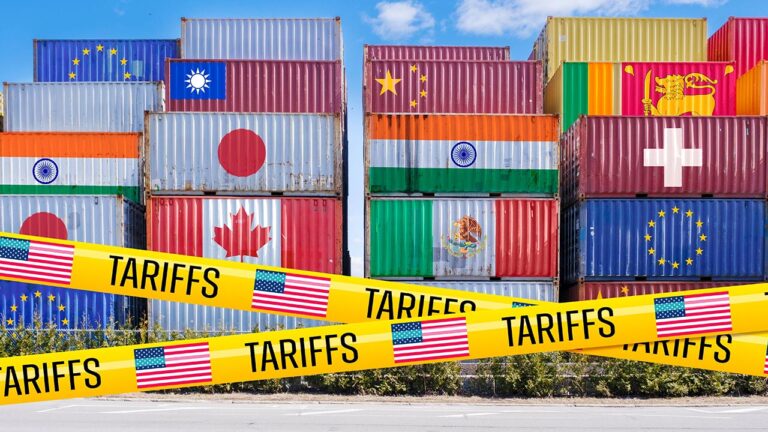
- US-India diamond/jewelry tariff stress stays a top wild card (and reshapes routing)
If high US duties on goods from India persist (or snap back), expect more rerouting, third-country processing, and corporate restructuring to keep US shelves stocked at workable prices — while India’s midstream feels ongoing pressure.
- “Some diamonds tariff-free” carve-outs expand — but compliance paperwork increases
Even when tariffs ease for certain categories, import classification and documentation burdens usually rise. The industry has already been tracking “which diamonds qualify” dynamics that are likely to continue into 2026.
Sanctions:
- Russian-diamond sanctions remain, but enforcement becomes more operational — and more uneven
The rules are already phased and detailed; in 2026, the story is less “new ban” and more “how strictly is it checked, and how consistent is it across borders?”
Traceability:
- EU’s January 1, 2026, traceability step becomes a real day-to-day friction point
From January 1, 2026, EU imports of polished diamonds (in scope) need traceability evidence, including a Due Diligence Statement on Diamond Origin. Expect delays, disputes, and higher compliance costs early in the year.
- No single global “one platform” traceability solution — more like a patchwork of acceptable evidence
Industry guidance is already signaling that a mandatory digital platform won’t be uniformly required (at least initially), pushing companies to build document + data stacks that satisfy multiple jurisdictions.
Kimberley Process:
- Kimberley Process (KP) debates intensify under India’s 2026 chairmanship
With India chairing the KP in 2026, expect louder pressure to modernize KP scope (e.g., human rights/broader abuses) and to reconcile KP with sanctions-era provenance demands.
Retail:
- Retail marketing shifts from “what it is” to “proof”: papers, provenance, and warranties
Expect more consumer-facing emphasis on: grading reports, chain-of-custody documentation, buyback/trade-up terms, and clear disclosure — because trust becomes a differentiator when products (especially lab-grown) look identical.
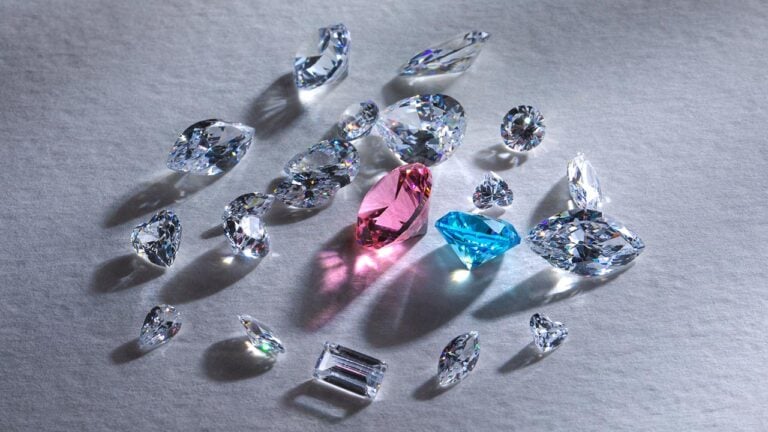
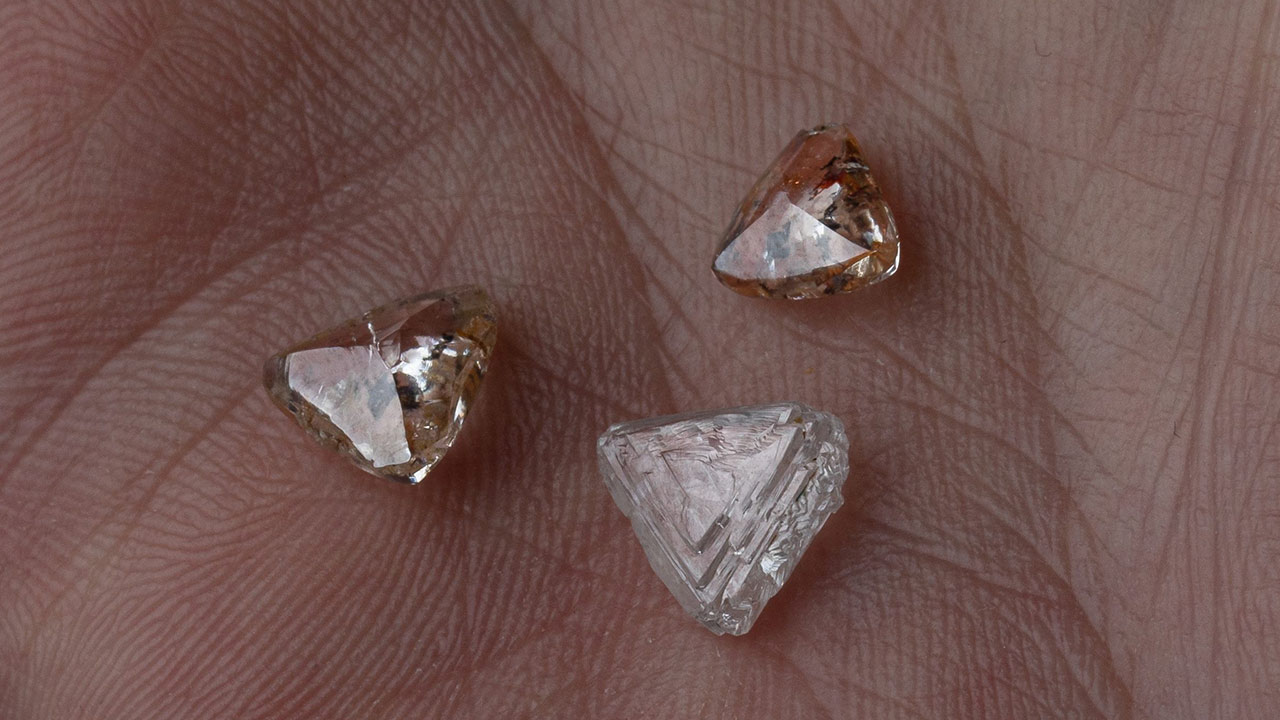
Image: Natural diamonds. (Shutterstock)